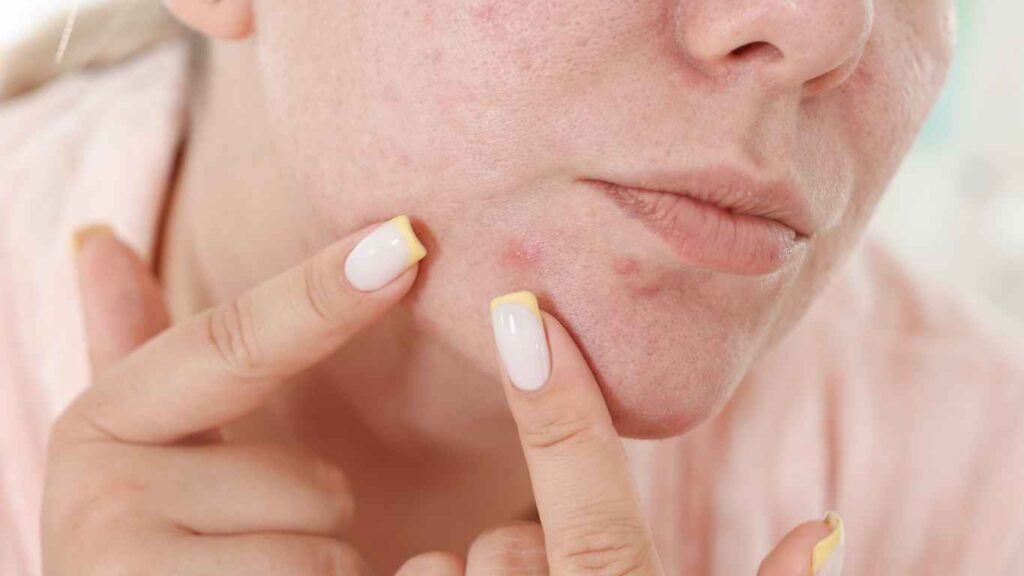
Almost everyone has dealt with pimples at some point. Whether it’s a sudden breakout before an event or recurring acne on oily skin, the temptation to squeeze or pop a pimple is very common. While it may seem like a quick solution, pimple popping can often make the problem worse instead of better.
At Dr. Ritesh Aesthetics, we often see patients dealing with acne scars, pigmentation, and skin irritation caused by improper pimple extraction at home.
Why Do People Feel the Urge to Pop Pimples?
Popping a pimple may feel satisfying temporarily. For many people, it provides a sense of relief or the feeling of “getting rid” of the blemish instantly. However, what most people don’t realize is that squeezing acne can push bacteria, oil, and debris deeper into the skin.
This increases the risk of:
– Inflammation and redness
– Infection
– Acne spreading to nearby skin
– Delayed healing
– Permanent acne scars and pigmentation
Is Pimple Popping Safe?
Dermatologists generally advise against popping pimples at home, especially painful or deep acne like cysts and nodules.
Using unclean hands or improper tools can damage the skin barrier and worsen breakouts. Even if a pimple appears to heal quickly, it may leave behind marks or uneven skin texture.
What Happens When You Pop a Pimple?
When pressure is applied to a pimple, the contents inside — including oil, bacteria, pus, and dead skin cells — can spread beneath the skin surface. This often triggers more inflammation and can lead to stubborn post-acne marks.
Common side effects include:
– Swelling and irritation
– Dark spots after healing
– Scarring
– Increased bacterial spread
– Larger and more painful breakouts
Safe Alternatives to Pimple Popping
Instead of squeezing pimples, dermatologists recommend safer methods to calm inflammation and support healing.
Spot Treatments
Ingredients like salicylic acid, benzoyl peroxide, and niacinamide help reduce redness, dry out pimples, and control acne-causing bacteria.
Warm Compress
Applying a warm compress may help soften clogged pores and encourage natural drainage without damaging the skin.
Ice Application
Ice can reduce swelling, redness, and discomfort caused by inflamed acne.
Pimple Patches
Hydrocolloid acne patches help absorb pus and protect pimples from touching and picking.
Professional Acne Treatments That Actually Work
For recurring or stubborn acne, professional treatment is often the safest and most effective option.
At Dr. Ritesh Aesthetics, advanced acne and skin treatments may include:
– Chemical peels for exfoliation and acne marks
– HydraFacial for deep cleansing and hydration
– Laser treatments to reduce acne-causing bacteria
– Prescription medications for severe breakouts
– Professional comedone extraction
– Acne scar treatments for smoother skin texture
Already Popped a Pimple? Here’s What to Do
If you accidentally squeezed a pimple:
– Clean the area gently
– Avoid touching it repeatedly
– Apply a soothing antibacterial cream
– Protect the skin from sunlight and sweat
– Avoid harsh scrubs or active products on the area
If swelling, infection, or scarring develops, consult a dermatologist for proper care.
Final Thoughts
Pimple popping may seem harmless, but it can easily damage your skin and lead to long-term scars or pigmentation. The safest approach is to let pimples heal naturally or seek professional acne treatment when needed.
Healthy, clear skin comes from proper skincare, expert guidance, and treatments tailored to your skin type — not from squeezing breakouts at home.
FAQs
Can popping pimples cause scars?
Yes, forcefully squeezing inflamed acne can lead to permanent scars and dark spots.
Is it okay to pop whiteheads?
Even whiteheads should ideally be handled by professionals to avoid infection or skin damage.
How can I reduce pimple swelling quickly?
Ice application, spot treatments, and dermatologist-recommended products can help calm inflammation safely.
When should I see a dermatologist for acne?
If acne becomes painful, frequent, deep, or leaves marks and scars, professional treatment is recommended.