
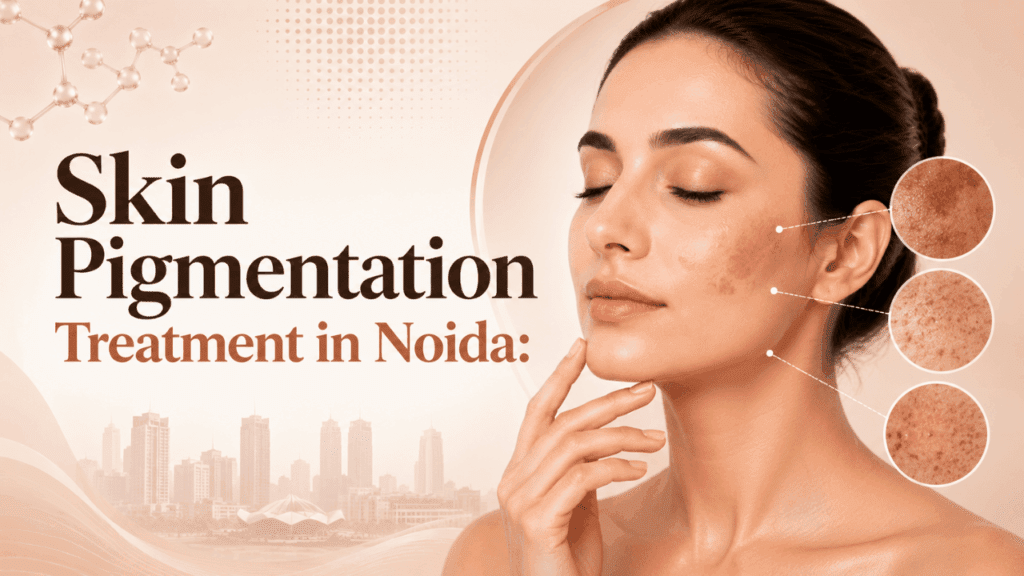
Uneven skin tone, dark patches, and stubborn pigmentation are among the most common skin concerns affecting both men and women. While pigmentation may seem like a simple cosmetic issue, the reality is often more complex. Two people can have similar-looking dark spots, yet the underlying causes may be completely different.
At Dr. Ritesh Aesthetics, we believe that successful skin pigmentation treatment starts with understanding why pigmentation occurs in the first place. Instead of simply treating visible marks, our specialists focus on identifying the root cause and creating a personalized treatment plan that delivers long-lasting, natural-looking results.
What Is Skin Pigmentation?
Skin pigmentation refers to changes in skin color caused by an excess production of melanin, the natural pigment responsible for skin tone. When melanin is produced unevenly, darker patches or spots can develop on certain areas of the skin.
These patches may appear gradually over time or develop after inflammation, acne, sun damage, or hormonal changes. While pigmentation itself is generally harmless, it can affect confidence and often requires professional evaluation to determine the most effective treatment approach.
Common Causes of Skin Pigmentation
1. Sun Exposure
One of the leading causes of pigmentation is prolonged exposure to ultraviolet (UV) rays. When the skin is exposed to sunlight, it naturally produces more melanin as a protective mechanism. Over time, this can result in:
– Sunspots
– Freckles
– Uneven skin tone
– Age spots
– Persistent tanning
2. Melasma
Melasma is a common pigmentation condition that appears as brown or grey-brown patches, usually on the:
It is frequently associated with hormonal fluctuations, pregnancy, contraceptive use, and excessive sun exposure. Melasma often requires a combination of treatments and ongoing maintenance for optimal results.
– Forehead
– Cheeks
– Nose
– Upper lip
3. Post-Inflammatory Hyperpigmentation (PIH)
Many people notice dark marks remaining long after acne, injuries, burns, or skin irritation have healed. This condition is known as post-inflammatory hyperpigmentation.
PIH is particularly common in Indian skin tones because melanin-producing cells are more reactive to inflammation.
4. Hormonal Changes
Hormonal imbalances can influence melanin production and trigger pigmentation. Conditions such as pregnancy, thyroid disorders, and hormonal medications may contribute to uneven skin discoloration.
5. Age-Related Pigmentation
As we age, years of accumulated sun exposure begin to show on the skin. These changes often appear as dark spots and patches, especially on the face, hands, neck, and other frequently exposed areas.
How Dermatologists Diagnose Pigmentation
Effective treatment begins with an accurate diagnosis.
At Dr. Ritesh Aesthetics, our specialists carefully evaluate:
– Type of pigmentation
– Depth of pigmentation
– Skin type and sensitivity
– Medical history
– Hormonal influences
– Previous skin treatments
– Lifestyle and sun exposure habits
Understanding these factors helps determine which treatment will provide the safest and most effective results.
Best Skin Pigmentation Treatments Available in Noida
Topical Treatments
For mild to moderate pigmentation, dermatologist-prescribed creams and serums can help regulate melanin production and promote healthy skin renewal.
These treatments may contain active ingredients that:
– Reduce excess pigment formation
– Brighten uneven skin tone
– Improve overall skin texture
– Prevent new pigmentation from developing
Topical treatments are often combined with sunscreen and a customized skincare routine for better results.
Chemical Peels
Chemical peels are highly effective for superficial pigmentation and dull skin.
By gently exfoliating damaged outer skin layers, chemical peels help:
– Reduce pigmentation
– Improve skin brightness
– Minimize acne marks
– Enhance skin texture
– Stimulate healthy skin regeneration
At Dr. Ritesh Aesthetics, peels are selected based on your skin type and specific concerns to ensure maximum safety and effectiveness.
Advanced Laser Treatment for Pigmentation
Laser treatment can be an excellent option for certain types of pigmentation. Modern laser technologies target excess pigment while preserving the surrounding skin.
Benefits may include:
– Reduction of stubborn dark spots
– Improved skin clarity
– More even complexion
– Faster results compared to some topical treatments
Since Indian skin can be more prone to post-treatment pigmentation, laser procedures should always be performed by experienced professionals using appropriate settings and technology.
Skin Brightening and Rejuvenation Treatments
In many cases, pigmentation treatment is combined with advanced skin rejuvenation procedures such as:
– HydraFacial
– PRP Skin Rejuvenation
– Medical-grade skin brightening treatments
– Customized facial therapies
These treatments help improve overall skin health while enhancing treatment outcomes.
Why Personalized Treatment Matters
One of the biggest misconceptions about pigmentation is that a single treatment works for everyone.
The truth is that pigmentation varies significantly depending on:
– Skin tone
– Genetic factors
– Hormonal influences
– Depth of pigmentation
– Duration of the condition
– Previous treatments
A treatment that works well for one person may not be suitable for another. This is why personalized treatment planning remains the foundation of successful pigmentation management.
Special Considerations for Indian Skin
Indian skin contains higher levels of melanin, making it more susceptible to developing pigmentation after:
– Acne breakouts
– Skin irritation
– Cosmetic procedures
– Burns or injuries
– Excessive sun exposure
Because of this, aggressive treatments can sometimes worsen pigmentation rather than improve it.
At Dr. Ritesh Aesthetics, we take a cautious and evidence-based approach, focusing on gradual improvement while protecting the long-term health of your skin.
Tips to Prevent Pigmentation from Returning
Even after successful treatment, maintaining results is essential.
Some important preventive measures include:
– Applying broad-spectrum sunscreen daily
– Avoiding excessive sun exposure
– Following a dermatologist-recommended skincare routine
– Treating acne and inflammation early
– Avoiding harsh skincare products
– Staying consistent with follow-up treatments when needed
These habits significantly reduce the chances of pigmentation recurring.
Why Choose Dr. Ritesh Aesthetics for Skin Pigmentation Treatment in Noida?
At Dr. Ritesh Aesthetics, we combine advanced technology with personalized dermatological care to help patients achieve clearer, healthier, and more radiant skin.
Our clinic offers:
✔ Advanced pigmentation treatments
✔ Customized skincare plans
✔ Chemical peels and laser therapies
✔ PRP skin rejuvenation treatments
✔ FDA-approved technologies
✔ Experienced aesthetic specialists
✔ Safe treatments suitable for Indian skin types
Located in Sector 75, Noida, we are committed to delivering natural-looking results while prioritizing skin health and patient safety.
Conclusion
Skin pigmentation is more than just a surface concern. The visible dark patches often reflect deeper processes occurring within the skin, which is why accurate diagnosis is essential before beginning treatment.
Whether your pigmentation is caused by sun damage, acne, hormonal changes, or aging, professional evaluation can help identify the most effective treatment strategy. With the right combination of advanced treatments, skincare guidance, and sun protection, achieving a clearer and more even complexion is possible.
If you’re struggling with pigmentation, acne marks, melasma, or uneven skin tone, consult the experts at Dr. Ritesh Aesthetics to receive a personalized treatment plan designed specifically for your skin.
Frequently Asked Questions
What is the difference between melasma and hyperpigmentation?
Hyperpigmentation is a general term used for skin darkening caused by excess melanin. Melasma is a specific type of hyperpigmentation that typically appears as symmetrical patches and is often linked to hormones and sun exposure.
How long does skin pigmentation treatment take to show results?
Results vary depending on the severity and depth of pigmentation. Mild cases may improve within a few weeks, while deeper pigmentation may require several months of treatment and maintenance.
Is laser treatment safe for Indian skin?
Yes, when performed by experienced professionals using suitable technology and settings, laser treatments can be safely used on Indian skin tones.
Can pigmentation return after treatment?
Yes. Pigmentation can return if underlying triggers such as sun exposure, hormonal changes, or skin inflammation continue. Regular sunscreen use and proper skincare are essential for maintaining results.
Which treatment is best for pigmentation?
The best treatment depends on the cause, depth, and type of pigmentation. Dermatologists may recommend topical medications, chemical peels, laser therapy, PRP, or a combination of treatments based on individual skin needs.